What Is Fatteh, Exactly?
Fatteh (sometimes spelled “fattah” or “fetteh”) is a layered Levantine dish built from a few key elements:
- A base of toasted or fried pita bread, torn into pieces for texture
- Chickpeas, warm and tender
- A yogurt-tahini sauce, tangy and rich
- A topping, which varies by version—from meat to nuts to a simple drizzle of olive oil
The magic of fatteh is in the contrast: crispy bread against creamy sauce, warm chickpeas against cool yogurt. It’s traditionally served for breakfast or a hearty lunch, and in Syrian households, it’s often a dish reserved for weekends or special gatherings.
The Different Types of Fatteh (And Which One to Order)
Not all fatteh is the same — the toppings make each version distinct. Here’s what’s on the menu at Safy Falafel:
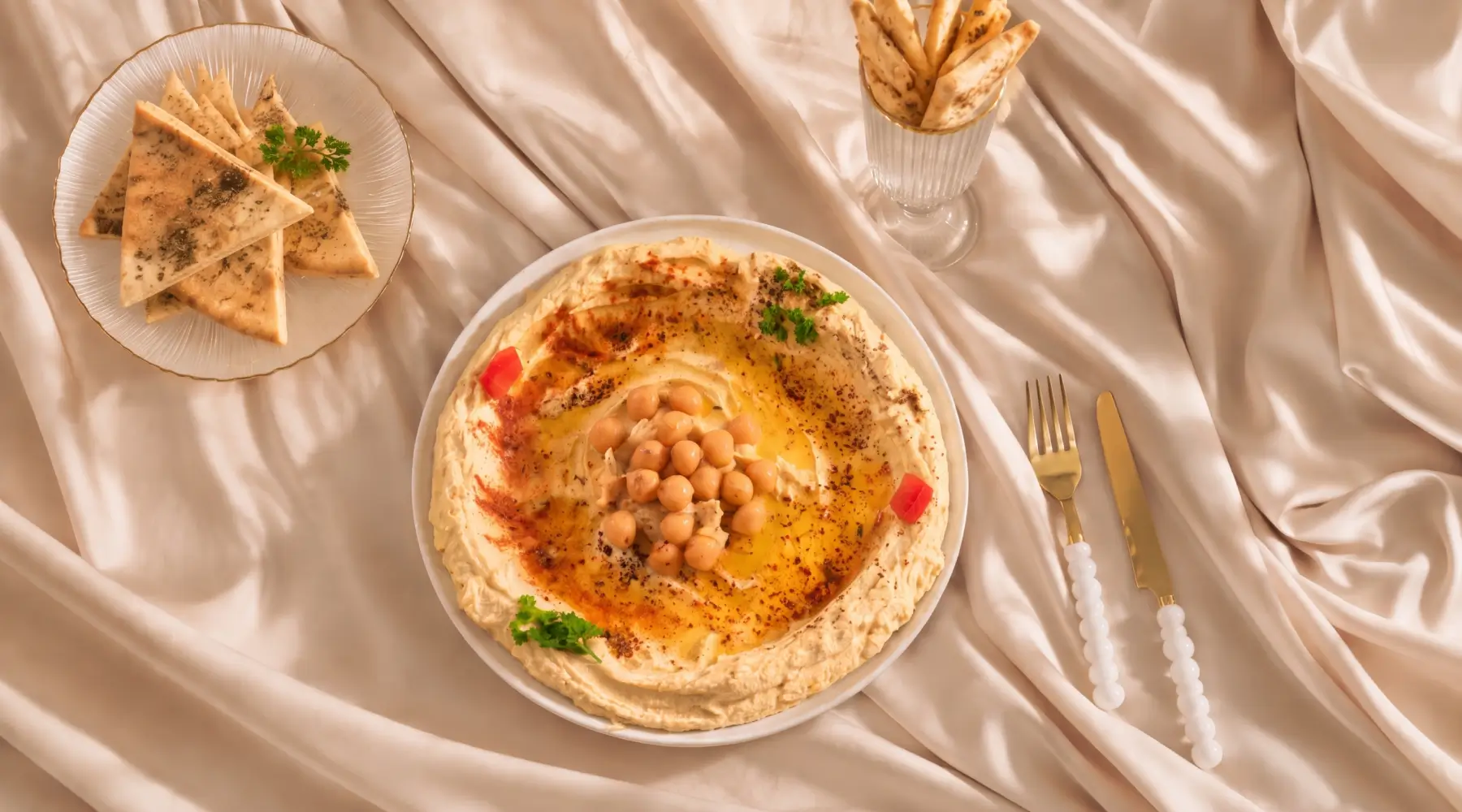
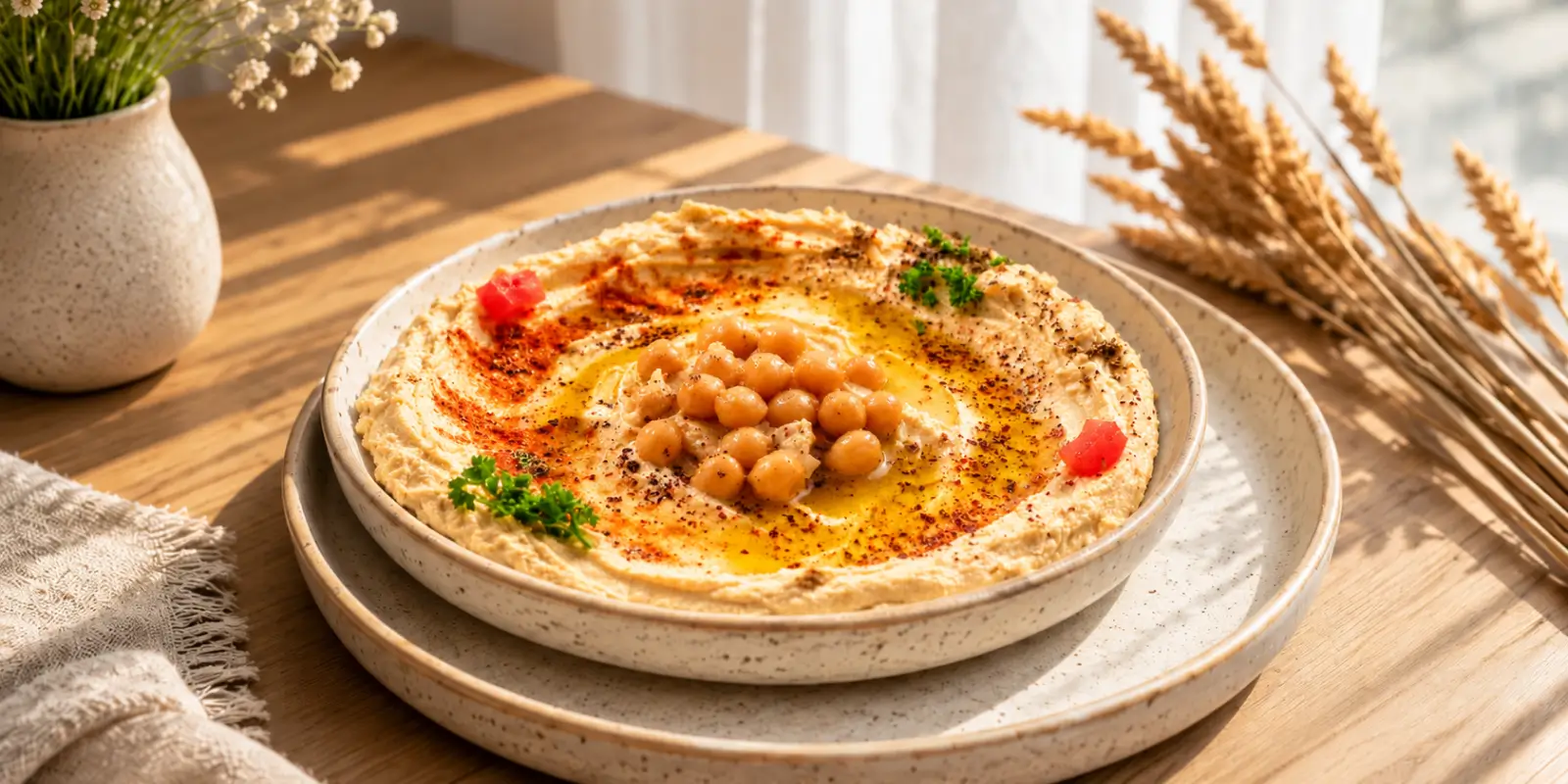
Plain Hummus Fatteh — The classic version: chickpeas, pita, and hummus layered with yogurt-tahini sauce. Fully vegetarian and the best starting point if it’s your first time trying fatteh.
Hummus Fatteh with Chicken — The same base, topped with seasoned fried chicken for a heartier, protein-packed plate.
Hummus Fatteh with Minced Meat — Spiced minced meat over the classic base — a favourite for anyone who grew up eating fatteh as a weekend meal.
Fatteh with Eggplant (Makdous) — A different take entirely: eggplant, tomato, green pepper, onion, and fried bread layered with yogurt, tahini, garlic, and parsley. Tangier and more vegetable-forward than the hummus-based versions.
Is Fatteh Healthy? Is It Vegetarian?
Fatteh can absolutely fit a vegetarian diet — the Plain Hummus Fatteh and Fatteh with Eggplant (Makdous) contain no meat. Nutritionally, it leans on chickpeas and yogurt for protein, making it more filling than it looks. As with most comfort food, portion and toppings determine how light or indulgent a serving is — the meat versions are heartier, while the plain version is the lighter option.
Can You Make Fatteh at Home?
Fatteh is very doable in a home kitchen — toasted pita, canned or home-cooked chickpeas, and a yogurt-tahini sauce are all you really need. That said, the dish lives or dies by two things that are hard to nail on a weeknight: pita that’s fried or toasted to the right crispness (it turns soggy fast once the sauce goes on), and a tahini sauce with the right balance of nutty, tangy, and garlicky. That’s exactly why fatteh is one of those dishes people search for a restaurant to make rather than attempt themselves on a Tuesday — the ratio of effort to payoff only works out if you’re making a big batch for a gathering.
Where to Get the Best Fatteh in Montreal
If you’re searching “fatteh near me” or “best fatteh Montreal,” Safy Falafel prepares all four versions fresh, daily, using recipes passed down through a Syrian family kitchen. You’ll find us at:
7001 Bd de la Vérendrye, Montreal, QC H4E 3R9 — right on the LaSalle/Ville-Émard border, a few blocks from the Lachine Canal.
Order in-restaurant, for pickup, or through Uber Eats, DoorDash, and Skip the Dishes — or place a direct order at safyfalafel.ca to skip the app fees.